Quick Answer
Forget the thumping clubs and bottle service; true nightlife in Sarajevo is found in intimate, conversation-heavy bars and local kafanas. Spend your evening lingering over a Sarajevsko lager or local rakija, and you’ll find the city’s authentic social pulse.
- Prioritize bars where the noise comes from human chatter, not loud music.
- Stay in one place for several hours rather than attempting to bar-hop.
- Always pair your drinks with local meze to pace your intake of high-proof rakija.
Editor’s Note — Sophie Brennan, Senior Editor:
I firmly believe that if you travel to the Balkans in search of a generic nightclub experience, you’ve fundamentally missed the point of the trip. In my years covering the European scene, I’ve found that the soul of a city is rarely found under a strobe light. What most people miss is that the best drinking culture is built on the slow, deliberate art of conversation. Sam Elliott is the perfect person to guide you through Sarajevo because he understands that a bar is a living room, not a stage. Go find a corner table and order a local plum brandy.
The air in Baščaršija is heavy—a thick, comforting haze of charcoal smoke from the cevapi grills, sweet tobacco, and the faint, metallic tang of copper pots being hammered into shape. It’s a sensory overload, but as you step away from the main thoroughfare and into the narrow, labyrinthine alleys, the clamor of the day dissolves. You find a doorway, a small sign hanging slightly askew, and slip inside. The light is dim, amber-hued, and the room vibrates not with a DJ’s bass, but with the low, rhythmic hum of a dozen overlapping conversations. You’ve arrived.
Most travelers arrive in Sarajevo looking for a party that doesn’t exist. They expect the neon-soaked, high-octane club culture found in Belgrade or Ibiza, and they leave disappointed when they can’t find a table with bottle service and a laser show. They’re looking in the wrong places. The truth is that Sarajevo’s nightlife is a masterclass in stillness. It’s a city that values the endurance of a single drink over the frantic pace of a bar crawl. If you want to drink like a local, you have to stop moving.
The Architecture of an Evening
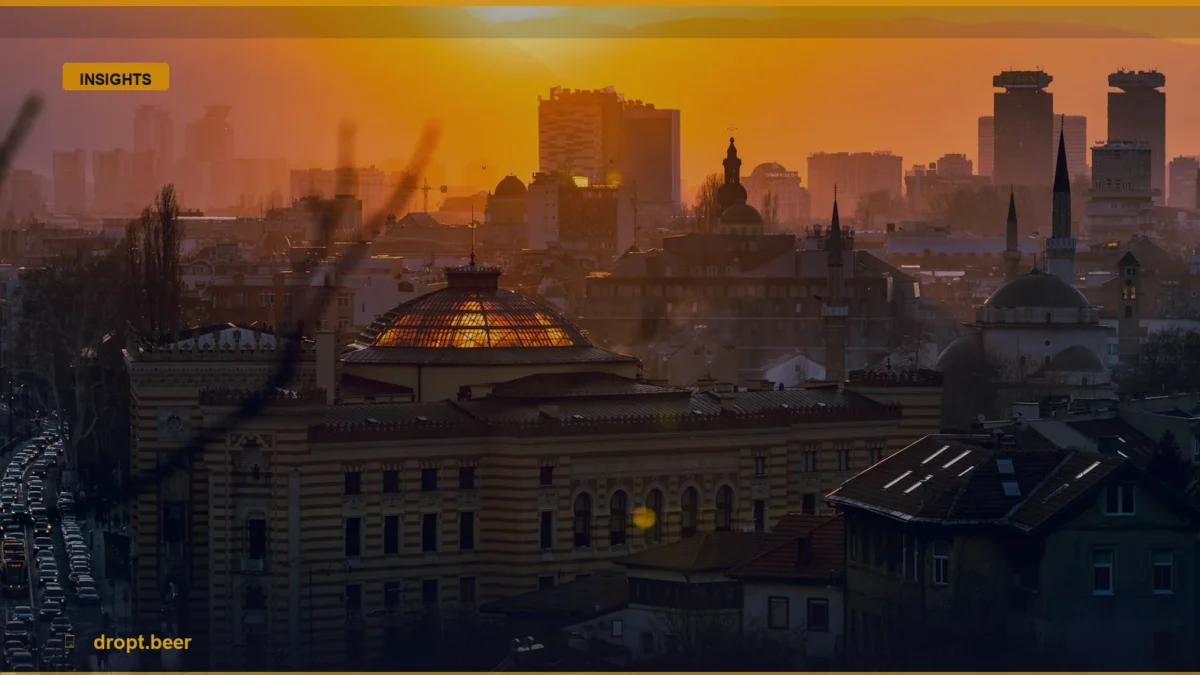
To navigate the city’s drinking culture, you have to understand its divide. You have the Ottoman-era Baščaršija, where the coffee culture bleeds seamlessly into the evening beer scene, and the Austro-Hungarian downtown, which feels a bit sharper, a bit more modern. According to the Oxford Companion to Beer, the regional traditions of the Balkans are deeply tied to communal drinking, and nowhere is this more apparent than in the neighborhood kafana. These aren’t just pubs; they’re extensions of the living room, places where the bartender knows your grandfather and your drink order before you’ve cleared the threshold.
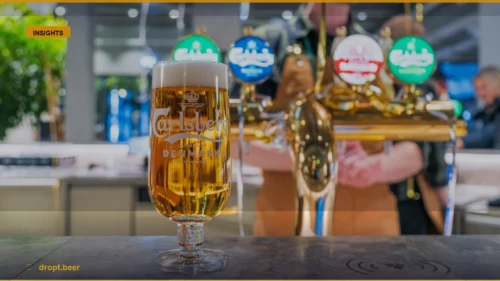
When you sit down, don’t overthink the menu. You’re likely looking at a Sarajevsko—the local lager that has served as the backbone of the city’s social life for decades. It’s crisp, unpretentious, and designed to be consumed over the course of a two-hour conversation. If you’re feeling more adventurous, look for regional craft labels, though the scene is still maturing. Don’t go in hunting for a hazy IPA; go in looking for a well-poured draught and a clean glass. That’s the real benchmark of a quality establishment.
The Spirit of the City
Then, there is the rakija. You can’t talk about Sarajevo after dark without acknowledging the fruit brandy that flows through the city’s veins. It’s high-proof, often homemade, and served in small, diminutive glasses that look far more innocent than they actually are. It is the social lubricant, the gesture of friendship, and the silent partner to every late-night debate. If someone buys you a round, accept it. To decline is to reject a piece of the city’s hospitality. Just remember that it’s meant to be sipped, not shot back like a college dare.
If you find yourself in a place that feels too polished, or if the music is so loud you have to shout to order a beer, turn around and walk out. Those aren’t the spots where the magic happens. You want the places where the tables are shoved together, where the regulars occupy the same stools every night, and where the staff has the rare, enviable talent of being present without being intrusive. These are the venues that keep the local culture alive, not the ones that spend their budget on flashy social media campaigns.
Mastering the Pace
The most common mistake you can make is trying to treat Sarajevo like a box-ticking exercise. If you’re planning to hit five bars in a single night, you’ve already failed. The geography of the city invites you to linger. Find a place that speaks to you, order a bottle, and stay until the conversation dies out or the shutters start to come down. This isn’t laziness. It’s participation. It’s how you actually get to know a place.
Keep in mind that the best after-hours spots are often the ones that don’t look like bars at all. They might be small cafes that transition into drinking dens, or hidden rooms behind unsuspecting facades. The transition is subtle, marked by the changing of the crowd and the shift in the music. If you’re unsure, ask the person behind the bar. A bit of curiosity goes a long way. If you leave your itinerary at the hotel and just follow the sound of laughter, you’ll find that the best nights in Sarajevo are the ones you didn’t plan at all. Keep it simple, stay curious, and check back in with us at dropt.beer for more dispatches from the world’s most interesting drinking holes.
Frequently Asked Questions
Is Sarajevo a good city for craft beer lovers?
It’s growing, but don’t expect the IPA-saturated market you might find in North America or Australia. Sarajevo’s beer scene is centered on high-quality lager and traditional hospitality. You’ll find some exciting regional craft options, but the real charm here is the classic, unfussy draught beer served in a local, historic setting. Focus on the experience and the company rather than seeking out a specific style.
How should I drink rakija without getting into trouble?
Treat it with respect. Rakija is high-proof and deceptive. Always sip it slowly, never shoot it back. It is meant to be enjoyed alongside a meal or with small plates of meze. If you are offered a round, accept it, but pace yourself by ordering a bottle of mineral water alongside it. The goal is to enjoy the social connection, not to lose your composure.
What is a kafana, and should I go there?
A kafana is a traditional Balkan tavern that serves as a community hub. It is the heart of local drinking culture. You absolutely should go to one. They are usually unpretentious, loud, and incredibly authentic. They are the best places to witness the real social life of Sarajevo. Just remember to be patient, observe the local pace, and don’t expect a fast-paced, modern service environment.
Is there a dress code for nightlife in Sarajevo?
Sarajevo is generally casual. You don’t need to dress up for the bars or kafanas mentioned in this guide. Smart-casual is the safest bet—clean, comfortable clothes will work in almost any setting. The city values substance over style, so as long as you look presentable and are ready to engage with the environment, you will fit in perfectly fine.